Menu

Interest Free Financing Up To 36 Months

Why Solids Build Up in Your Septic Tank Over Time
Mar 19,2026

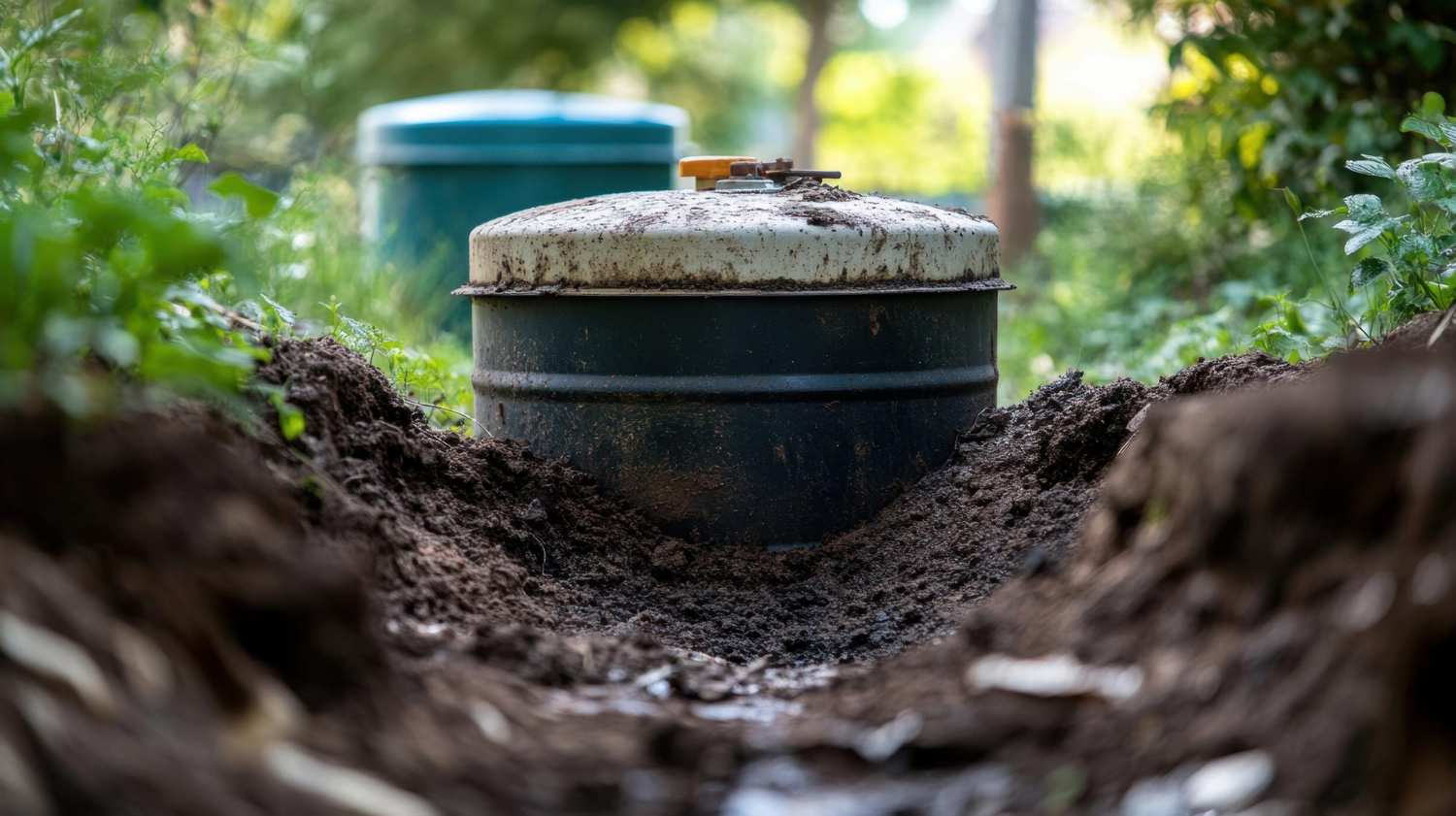
Every septic system is designed to hold and process waste, but accumulation is an unavoidable part of that process. Wastewater entering the tank carries a mix of organic matter, debris, and particles that cannot fully dissolve. Over time, these materials settle and remain inside, gradually increasing in volume. This is not a flaw in the system but a normal outcome of how it operates.

In this blog post, our professionals from Septic Blue will give a clear understanding of why solids build up and what contributes to the process.

How the Tank Separates and Stores Waste

A septic tank works by separating incoming waste into layers based on density. Solid waste sinks to the bottom and forms sludge, while lighter substances float to the top and create a scum layer. The middle layer of partially clarified water exits into the drain field. Even though this separation allows the system to function efficiently, it also means that solids are continuously stored inside the tank. Without regular septic pumping in Raleigh, NC, these layers grow thicker and begin to take up valuable space.

Daily Water Use Brings Continuous Input

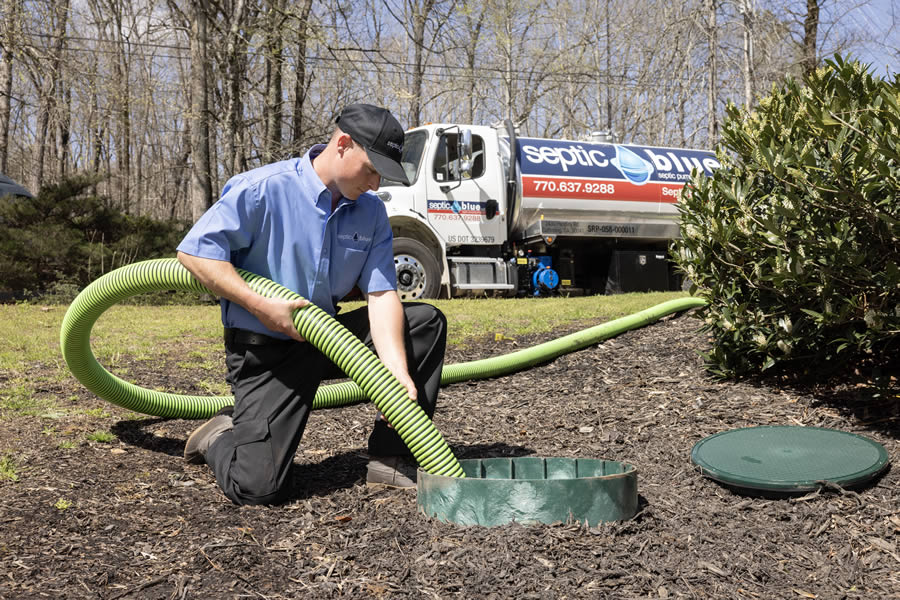
Routine household activities steadily introduce new materials into the tank. Washing dishes, doing laundry, and using bathrooms all contribute small amounts of solid matter. These particles might seem insignificant on their own, but they accumulate rapidly over time. Septic cleaning becomes necessary since the system handles a constant flow of waste, and there is no mechanism that completely removes solids without professional intervention.

Items That Resist Breakdown

Certain materials significantly speed up the accumulation process as they do not decompose easily. Products such as wipes, paper towels, and hygiene items remain intact inside the tank and add to the sludge layer. Unlike biodegradable waste, these materials persist and take up space for extended periods. A septic service often addresses issues caused by these items, making it clear that proper disposal habits directly impact how quickly buildup occurs.

Our Services

Get The Septic Service You Need Today

Septic Pumping

Septic Pumping

Septic tank pumping in Raleigh has never been so affordable and accessible thanks to the professionals at Septic Blue. We are…

Septic Tank Repair

Septic Tank Repair

One quarter of Americans rely on septic tanks to process household waste. Most Septic Blue locations have septic tank experts who…

Septic Installations

Septic Installations

Call Septic Blue today for a second opinion. If you choose to go with Septic Blue, you'll receive $250 off your…

Septic Cleaning

Septic Cleaning

If you are a homeowner or resident in Raleigh that is among the 20 percent of households in the U.S. with…

Professional Saptic Plumbing solutions for every need. Contact Us Today!

The Limits of Natural Decomposition

Bacteria inside the tank help break down organic waste, but their efficiency has limits. While they reduce some solids into smaller particles or gases, a large portion remains behind. The balance of bacteria can also be affected by what enters the system, which influences how well decomposition occurs. Because of these limitations, septic pumping is essential for removing what cannot be naturally processed.

Grease and Fat Accumulation

Cooking byproducts such as oils and fats contribute heavily to the scum layer at the top of the tank. These substances do not mix well with water and tend to form a thick coating over time. This layer can restrict the movement of wastewater and disrupt the system’s ability to separate materials properly. Septic cleaning helps eliminate this buildup, allowing the tank to maintain proper flow and function.

Tank Capacity and Household Demand

The size of the septic tank plays a major role in how quickly solids accumulate. A smaller tank fills more rapidly, especially in households with higher water usage. More occupants and frequent water use increase the amount of waste entering the system, which leads to faster buildup. A knowledgeable septic company considers these factors when recommending a service schedule tailored to the property’s needs.

Delayed Maintenance Increases Risk

Allowing too much time between septic cleaning appointments leads to excessive accumulation of sludge and scum. As these layers grow, they can interfere with the system’s ability to separate and process waste effectively. In severe cases, solids may move into the drain field, creating larger and more expensive problems. Routine septic service prevents these issues by removing buildup before it reaches critical levels.

Need a Reliable Company?

Are you in need of septic pumping? Luckily, we at Septic Blue have dedicated workers ready at your service. Contact our representatives for more questions.


Recent Blogs

 Why Solids Build Up in Your Septic Tank Over Time
Mar 19 2026

Why Solids Build Up in Your Septic Tank Over Time

Every septic system is designed to hold and process waste, but accumulation is an unavoidable part of that process. Wastewater entering…

 Common Hiring Mistakes Homeowners Make With Septic Services
Mar 11 2026

Common Hiring Mistakes Homeowners Make With Septic Services

Maintaining a septic system requires more than occasional attention, it demands reliable professionals who understand proper maintenance, safety standards, and long-term…

 Are Septic Inspections Required Before Selling a Home?
Mar 04 2026

Are Septic Inspections Required Before Selling a Home?

Selling a home comes with a long checklist of responsibilities, from preparing disclosures to scheduling appraisals and negotiating with buyers. If…

 What Tools Do Septic Professionals Use to Inspect Your System?
Feb 26 2026

What Tools Do Septic Professionals Use to Inspect Your System?

Your septic system plays a critical role in managing wastewater safely and efficiently, protecting both your home and the surrounding environment.…