Menu

Interest Free Financing Up To 36 Months

How Professionals Replace a Failed Septic Leach Field
Apr 22,2026

A soggy backyard, foul odors drifting across the lawn, or drains that seem to move in slow motion are all signs that something is seriously wrong beneath the surface. The leach field, also called a drain field, is the final stage of your septic system where treated wastewater filters safely into the soil. Over time, buildup, soil compaction, root intrusion, or simple age can cause this system to fail entirely.

In this blog post, our experts from Septic Blue will talk about how professionals assess, remove, and replace a failed leach field.

The First Step Is a Professional Assessment

Before any digging begins, a qualified septic company in Raleigh, NC will conduct a thorough inspection of your existing system. A technician will evaluate the condition of your tank, distribution box, and drain field lines using probes, cameras, or dye testing to confirm the failure and identify its cause. Skipping this step can result in placing a new leach field in already compromised soil, increasing the likelihood of another failure much sooner than anticipated.

Septic Pumping and Cleaning Come Before Any Excavation

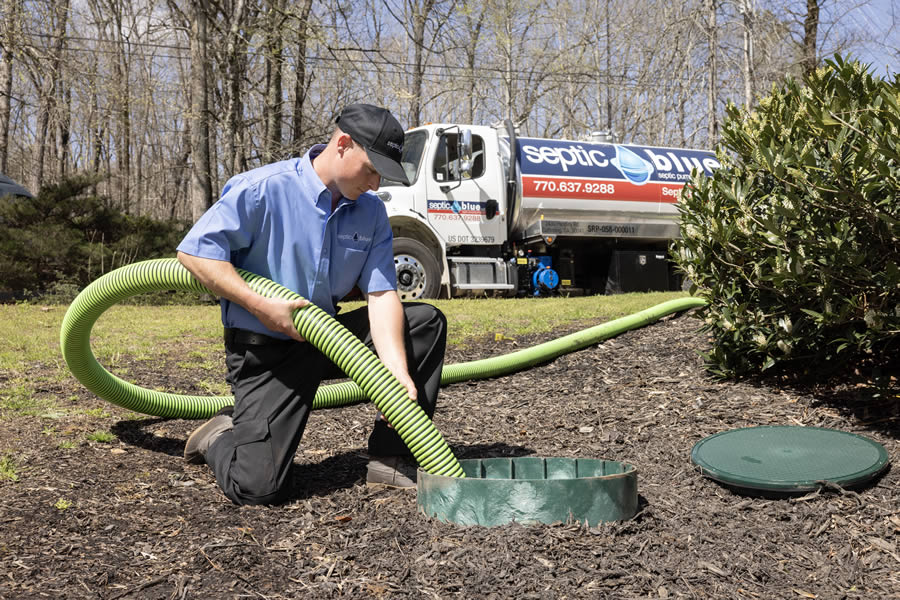
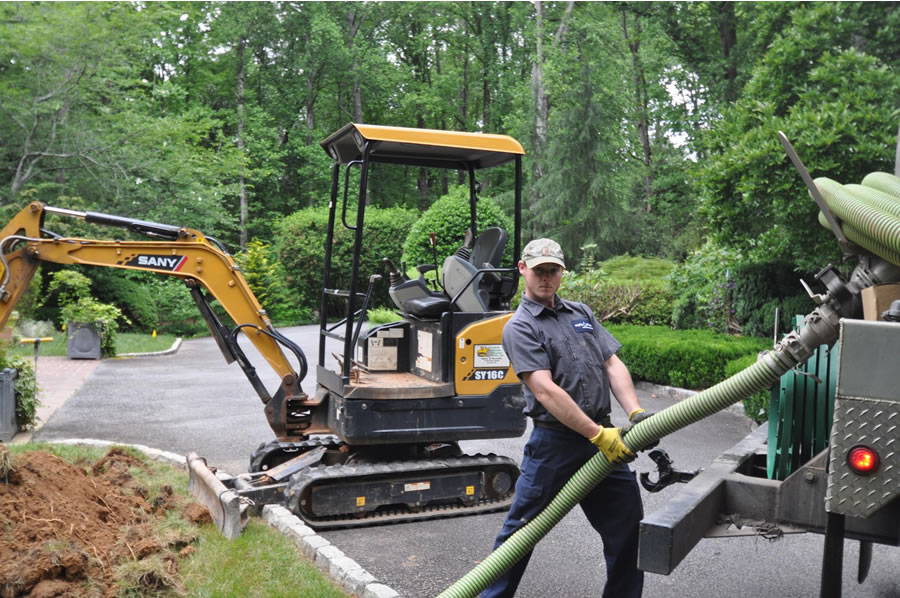
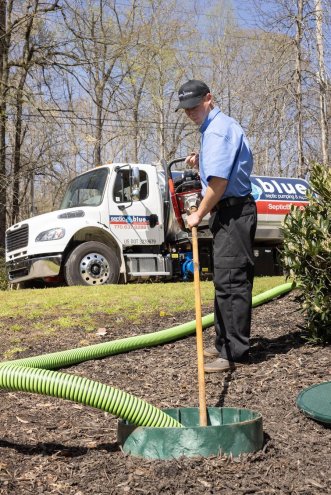
Replacing a leach field always starts with septic pumping to empty the tank completely before any excavation takes place. Next is septic cleaning, where the inside of the tank is rinsed out and checked for cracks, damaged parts, or corrosion that may need to be fixed along with the drain field. A professional service handles this stage carefully since sending wastewater into an already saturated field during the replacement process can make soil conditions worse and complicate the installation.

Removing the Old Leach Field

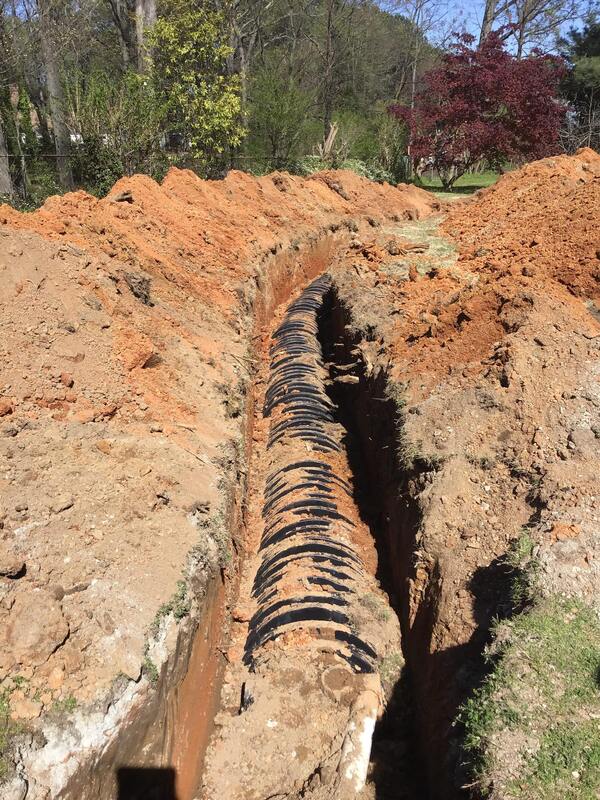
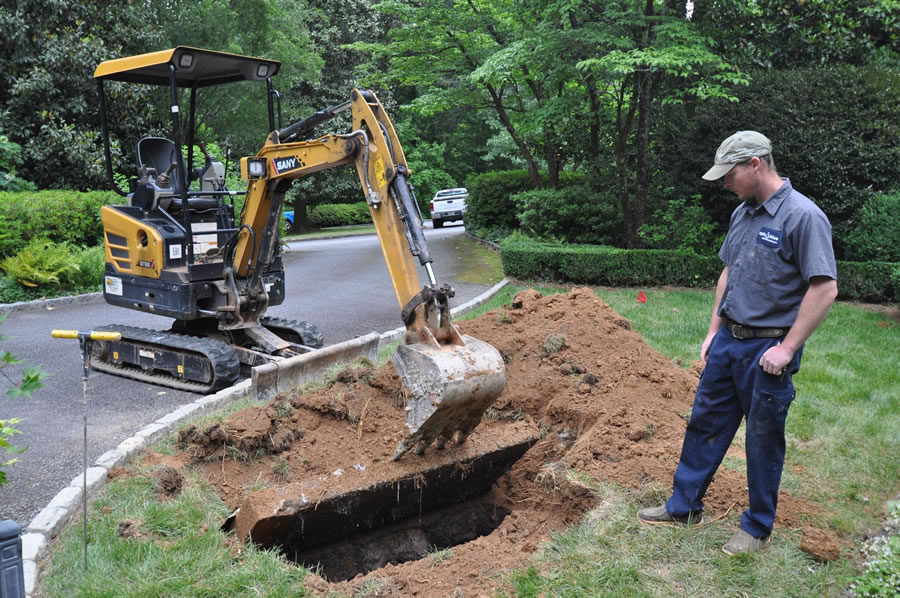
Once the tank is emptied and cleaned, the crew will excavate the old drain field using heavy equipment. The failed perforated pipes, gravel, and any geotextile fabric are removed and properly disposed of accordingly with local regulations. The soil condition is evaluated at this stage as well, as severely saturated or compacted ground may need to be improved or the new field may need to be relocated to a healthier area of the property.

Our Services

Get The Septic Service You Need Today

Septic Pumping

Septic Pumping

Septic tank pumping in Raleigh has never been so affordable and accessible thanks to the professionals at Septic Blue. We are…

Septic Tank Repair

Septic Tank Repair

One quarter of Americans rely on septic tanks to process household waste. Most Septic Blue locations have septic tank experts who…

Septic Installations

Septic Installations

Call Septic Blue today for a second opinion. If you choose to go with Septic Blue, you'll receive $250 off your…

Septic Cleaning

Septic Cleaning

If you are a homeowner or resident in Raleigh that is among the 20 percent of households in the U.S. with…

Professional Saptic Plumbing solutions for every need. Contact Us Today!

Designing the Replacement System

A reputable septic company does not simply drop new pipes where the old ones sat. Soil percolation tests are often required to measure how quickly the ground absorbs liquid so the new system is sized correctly. Local health departments typically require permits and may need to approve the design before installation begins, which is another reason why working with a licensed septic service is essential rather than attempting any part of this process on your own.

Installing the New Drain Field

Once permits are in place and the design is approved, installation moves forward. A proper base of gravel or approved material is set at the right depth, and new perforated pipes are installed with the correct slope to ensure steady flow. The system is then covered with soil and suitable vegetation to protect against erosion. In some cases, alternative options such as chamber or mound systems are used if the existing soil cannot support a standard drain field.

Restoring Your System to Full Function

After installation, the septic company will connect the new field to the distribution box and tank, backfill the excavated area, and conduct a final inspection to confirm everything is functioning correctly. Many companies recommend scheduling a follow-up septic pumping within the first year to monitor how the new system is performing and catch any early issues before they develop into larger problems.

Protecting Your Investment Going Forward

The best way to extend the life of your new leach field is through routine septic service on a regular schedule. Having your tank pumped every three to five years, avoiding flushing anything other than waste and toilet paper, and keeping heavy vehicles off the drain field area will help your system perform reliably for decades. A failed leach field is never a minor inconvenience, but with the right professional team, the replacement process is straightforward and built to last.

Need a Reliable Company?

Are you in need of a septic service? Luckily, we at Septic Blue have dedicated workers ready at your disposal. Contact our representatives for more questions.

Recent Blogs

 How Professionals Replace a Failed Septic Leach Field
Apr 22 2026

How Professionals Replace a Failed Septic Leach Field

A soggy backyard, foul odors drifting across the lawn, or drains that seem to move in slow motion are all signs…

 How to Keep Your Septic System Healthy Year-Round
Apr 21 2026

How to Keep Your Septic System Healthy Year-Round

At Septic Pumping of Raleigh, we get many questions about the best ways to keep septic systems healthy year-round. Of course,…

 Septic Pumping, Cleaning, and Inspection: What Each Service Means
Apr 15 2026

Septic Pumping, Cleaning, and Inspection: What Each Service Means

Your home depends on a lot of systems to function properly, but few are as overlooked as the septic system. Most…

 Monthly Septic Maintenance Tasks Every Homeowner Should Do
Apr 08 2026

Monthly Septic Maintenance Tasks Every Homeowner Should Do

Most homeowners rely on their septic systems daily without giving them much thought. Your septic tank works silently, processing waste and…