Menu

Call Today to Get $50 OFF

Where Should You Place Your Septic Tank System?
Jul 25,2021

Where Should You Place Your Septic Tank System?

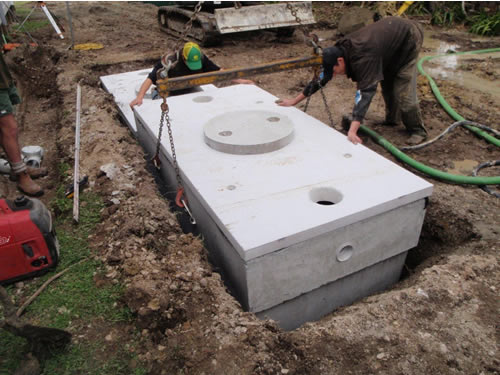
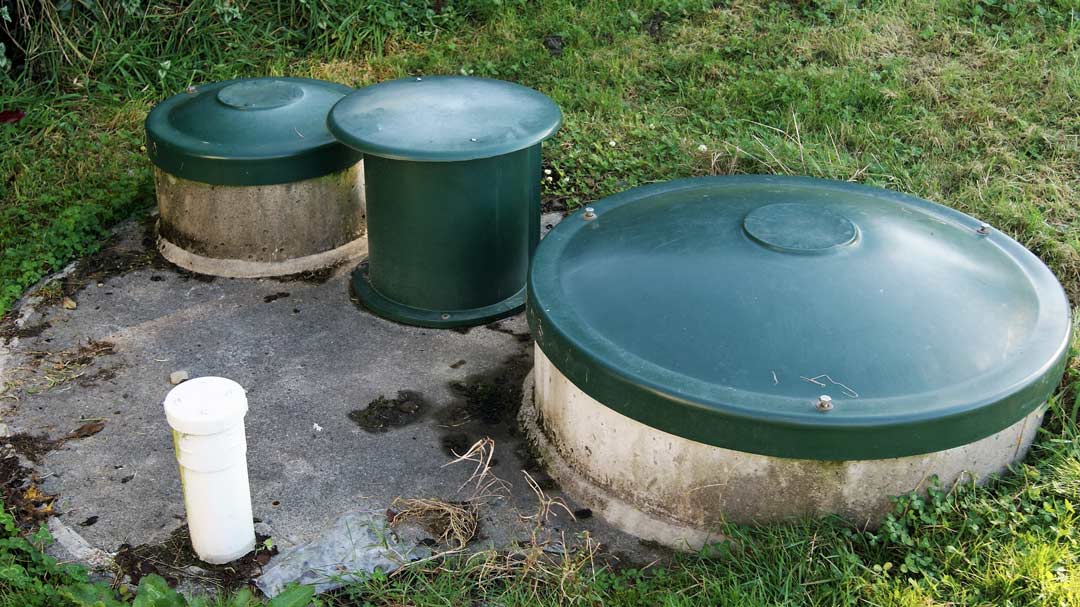
Building a new home is an exciting time but it comes with a lot of planning. Poor planning can have you full of regrets when the concrete has dried and the contractors are gone. If you live in a rural area or live off the grid, then you likely will not have access to the local, centralized sewer system. In this case, you will need to install a septic system, but how and where? Your friends at Septic Blue are professional septic system installers, and we are here to give you some tips on installing your septic tank system. Feel free to call Septic Blue if you prefer to have a qualified septic technician take care of the installation. We are available around the clock for emergency requests.

Before You Begin

First thing’s first: you have got to contact your local regulating agency to review necessary permits and regulations governing septic systems. There is likely going to be some forms to fill and permits to apply for. Your builder or contractor should be familiar with these requirements.

Measure Your Area

Septic tanks are limited in capacity and drain fields can only filter so much wastewater per square foot of area. Therefore, you have got to make precise measurements and calculations to ensure you have the right sized septic tank and drain field as well as enough acreage to install the components. Figure out how much waste and wastewater you expect your household or property to generate and select your septic system’s size accordingly.

Our Services

Get The Septic Service You Need Today

Septic Pumping

Septic Pumping

Septic tank pumping in Raleigh has never been so affordable and accessible thanks to the professionals at Septic Blue. We are…

Septic Tank Repair

Septic Tank Repair

One quarter of Americans rely on septic tanks to process household waste. Most Septic Blue locations have septic tank experts who…

Septic Installations

Septic Installations

Call Septic Blue today for a second opinion. If you choose to go with Septic Blue, you'll receive $250 off your…

Septic Cleaning

Septic Cleaning

If you are a homeowner or resident in Raleigh that is among the 20 percent of households in the U.S. with…

Professional Saptic Plumbing solutions for every need. Contact Us Today!

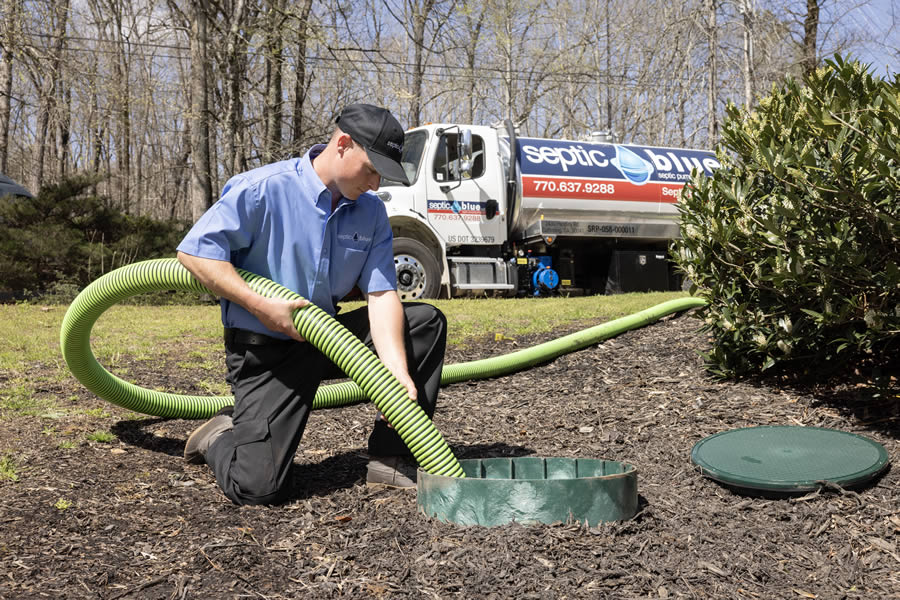
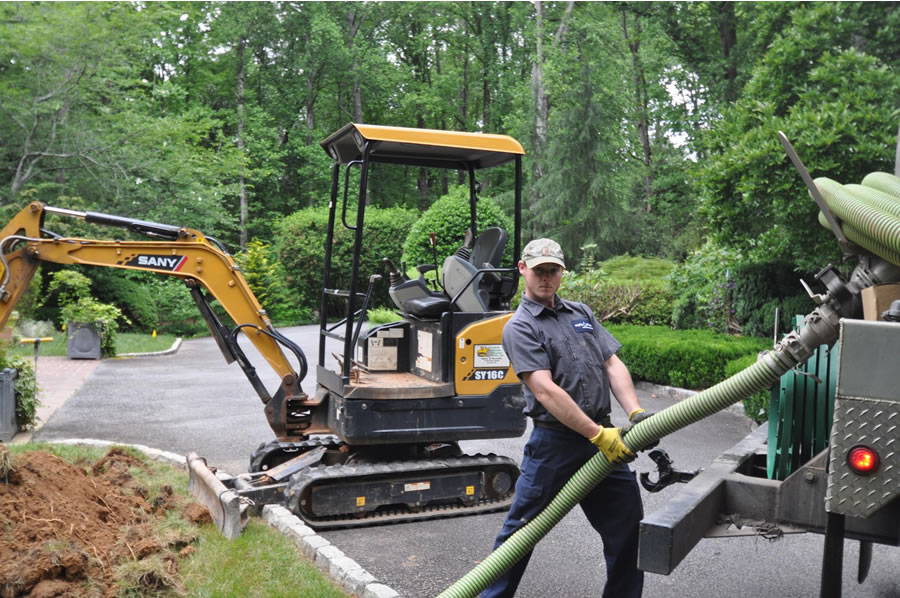
It is also important that you consider future septic system maintenance. There should be enough room for a vacuum truck to maneuver and get within 100 to 150 feet of the septic system.

Survey Your Area

The septic system includes two primary components: the septic tank and the drain field. Waste and wastewater generated by your household will lead through the household pipes into the septic tank. There, the waste will split into three layers: solids on the bottom, scum and grease on top, and liquid effluent in the middle. The liquid effluent, or wastewater, will readily travel through the outlet pipe of the septic tank and into the drain field area where the wastewater percolates through the soil for treatment.

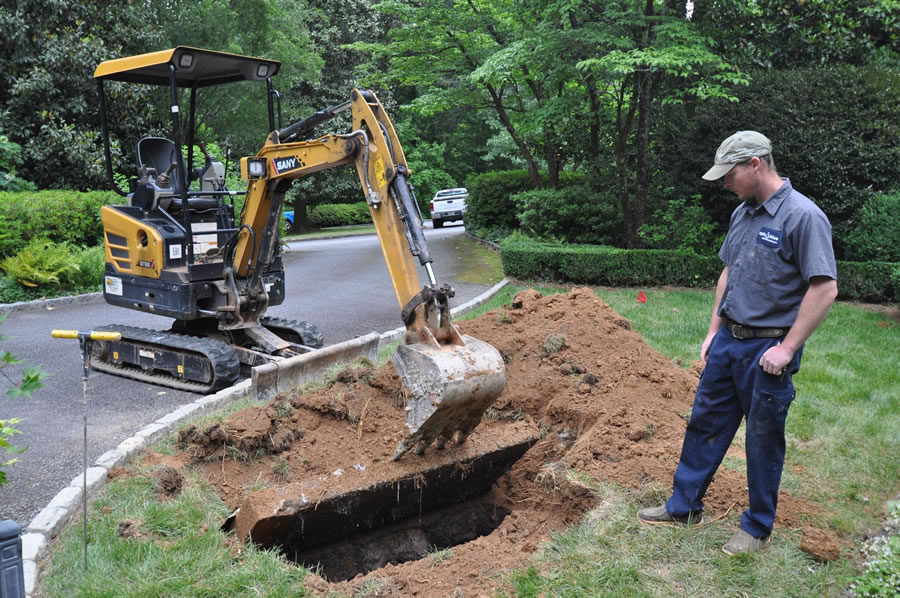
Prior to getting started on the installation, you will have to analyze the topography and soil in which you plan to install the septic tank and drain field. The soil must allow wastewater to easily trickle through. Impermeable layers of soil, such as clay, will create problems for the wastewater treatment. Other issues include waterways, high water tables, culverts, riparian areas, easements, and so forth.

Leave It to The Experienced Technicians

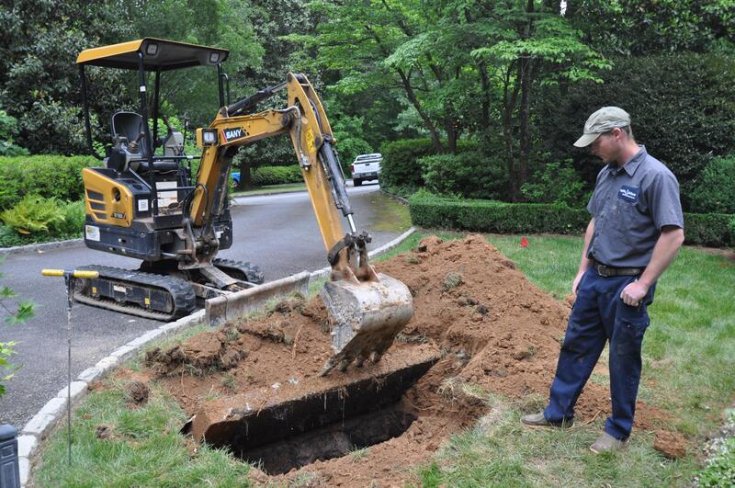
Installing a septic system is going to require many heavy and expensive tools, equipment, machinery, and vehicles. Installation is a meticulous and sensitive process and mistakes have serious consequences. If you prefer to leave the installation to the experienced septic technicians, then call Septic Blue to get in touch with a live representative today. We are happy to provide a consultation and schedule a flexible appointment.

 

Recent Blogs

 Bought a Home with a Septic System? Here’s Your First 30-Day Checklist
Jul 15 2026

Bought a Home with a Septic System? Here’s Your First 30-Day Checklist

Closing on a new home comes with a long list of things to figure out, and a septic system is often…

 The Flushable Wipe Lie: Why
Jul 08 2026

The Flushable Wipe Lie: Why "Septic-Safe" Labels Are Wreaking Havoc on Your Plumbing

Grabbing a package of wipes labeled septic safe or flushable feels like a small, harmless decision at checkout. Those labels create…

 The Biomat Balance: How Over-Pumping or Over-Flushing Suffocates Your Septic Field Lines
Jun 30 2026

The Biomat Balance: How Over-Pumping or Over-Flushing Suffocates Your Septic Field Lines

Most septic advice focuses on what happens when a system is neglected, but there is another side to this conversation that…

 What Happens When a Septic System Starts to Fail?
Jun 24 2026

What Happens When a Septic System Starts to Fail?

A septic system that is beginning to fail sends out clear distress signals long before it reaches the point of complete…