Menu

Interest Free Financing Up To 36 Months

What is the Difference Between a Cesspool, a Septic Tank and a Tight Tank?
Jan 17,2025

What is the Difference Between a Cesspool, a Septic Tank and a Tight Tank?

When managing wastewater in properties not connected to a municipal sewer system, cesspools, septic tanks, and tight tanks are common options. While these systems serve similar purposes, they function differently and require unique maintenance and care. Understanding the distinctions can help you choose the right solution for your property and ensure proper maintenance to avoid costly issues.

In this blog post, our professionals from Septic Blue of Raleigh will explain the differences between these tanks and how septic services help.

What Is a Cesspool?

A cesspool is an older method of wastewater disposal. It consists of a pit or chamber lined with porous material, such as brick or stone, allowing liquid waste to seep into the surrounding soil while retaining solid waste. Cesspools are becoming less prevalent today as a result of environmental concerns, as they frequently result in groundwater contamination.

Maintenance of a cesspool requires frequent pumping because solids accumulate quickly and can cause blockages or overflows. A septic firm that has a wealth of experience in the maintenance of cesspools can offer the necessary septic tank pumping and cleaning services to ensure the system's functionality. However, many homeowners are opting to replace cesspools with modern septic systems due to their inefficiency and regulatory restrictions in certain areas.

Our Services

Get The Septic Service You Need Today

Septic Pumping

Septic Pumping

Septic tank pumping in Raleigh has never been so affordable and accessible thanks to the professionals at Septic Blue. We are…

Septic Tank Repair

Septic Tank Repair

One quarter of Americans rely on septic tanks to process household waste. Most Septic Blue locations have septic tank experts who…

Septic Installations

Septic Installations

Call Septic Blue today for a second opinion. If you choose to go with Septic Blue, you'll receive $250 off your…

Septic Cleaning

Septic Cleaning

If you are a homeowner or resident in Raleigh that is among the 20 percent of households in the U.S. with…

Professional Saptic Plumbing solutions for every need. Contact Us Today!

Understanding Septic Tanks

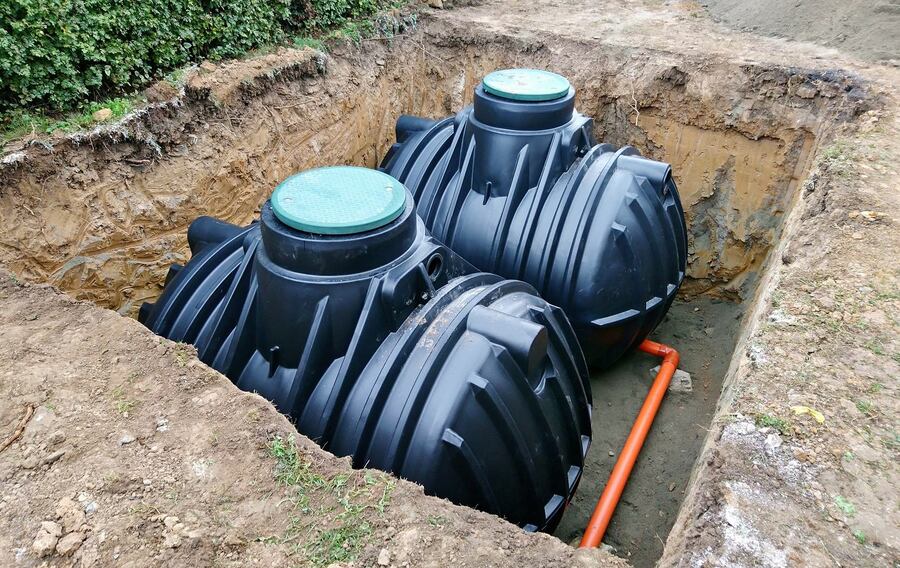
A septic tank is a modern, self-contained system that separates solids, liquids, and oils from wastewater. These containers are typically constructed from polyethylene, fiberglass, or concrete and are intended to temporarily store waste, while simultaneously facilitating the natural filtration of liquids into a drain field.

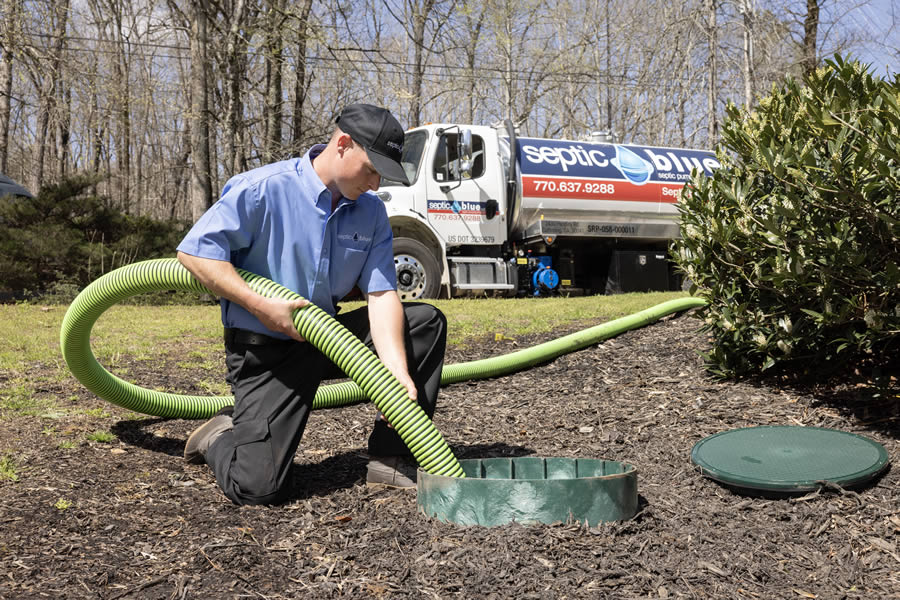
Regular maintenance is essential for septic tanks to operate efficiently. Over time, solid waste builds up, and septic pumping becomes necessary to prevent backups and system failures. Furthermore, the removal of accumulated sludge and grease during septic tank cleaning can guarantee optimal performance.

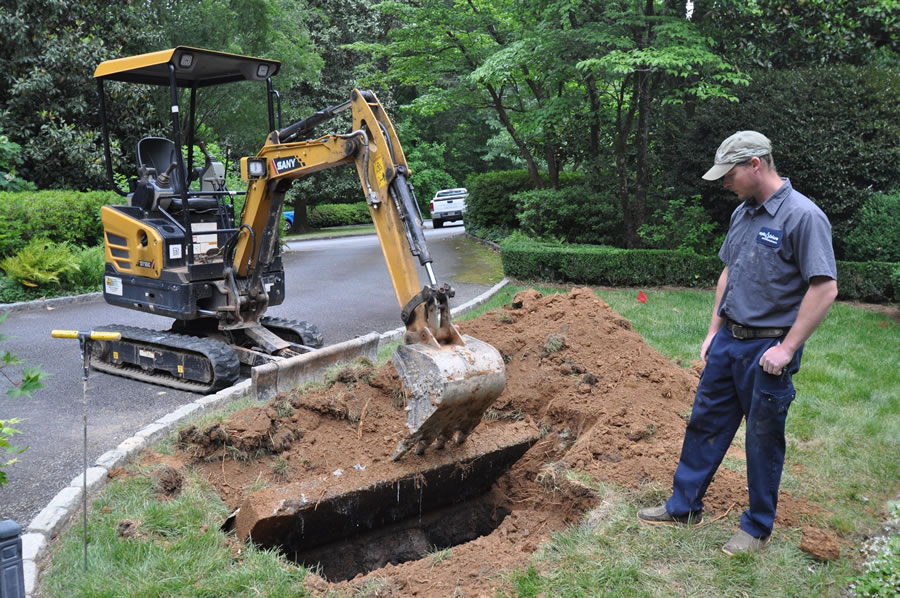
If you’re installing a septic tank, work with a reliable septic business to ensure proper placement and compliance with local regulations. Professional septic tank installation ensures the system is durable and positioned for efficient wastewater treatment.

What Is a Tight Tank?

A tight tank is a fully enclosed wastewater storage system without an outlet. Unlike septic tanks, tight tanks do not allow liquid waste to leach into the soil or flow into a drain field. This renders them an optimal solution for properties with elevated groundwater levels or those that are prohibited by environmental regulations from utilizing conventional septic systems.

The primary drawback of tight tanks is their dependency on frequent pumping. Since all waste is contained within the tank, it fills up more quickly, requiring regular visits from a septic company for pumping services. Although tight tanks may be expensive to operate, they provide an environmentally favorable alternative in situations where other alternatives are not feasible.

Choosing the Right System for Your Property

The choice between a cesspool, septic tank, or tight tank depends on various factors, including your property’s soil conditions, groundwater levels, and local regulations. Septic tanks are frequently the most practicable option, as they provide an ideal balance of environmental friendliness and efficiency. However, if regulations in your area require it, a tight tank may be your only option.

Consulting a professional septic company is the best way to determine the most suitable system for your property. They can assess your needs and provide expert recommendations, ensuring compliance with all local requirements.

Need a Reliable Company?

Are you in need of a septic tank repair? Luckily, we at Septic Blue of Raleigh have dedicated workers ready at your service. Contact our representatives for more questions.




Recent Blogs

 Pooling Water in Your Yard: Could It Be a Full Septic Tank?
Mar 31 2026

Pooling Water in Your Yard: Could It Be a Full Septic Tank?

Standing water in a yard can seem like a minor inconvenience at first, especially after rainfall or irrigation. However, persistent pooling…

 7 Clear Signs Your Septic Tank Needs Pumping Soon
Mar 25 2026

7 Clear Signs Your Septic Tank Needs Pumping Soon

A septic system plays a critical role in managing wastewater, and its maintenance schedule is often overlooked until noticeable issues begin…

 Why Solids Build Up in Your Septic Tank Over Time
Mar 19 2026

Why Solids Build Up in Your Septic Tank Over Time

Every septic system is designed to hold and process waste, but accumulation is an unavoidable part of that process. Wastewater entering…

 Common Hiring Mistakes Homeowners Make With Septic Services
Mar 11 2026

Common Hiring Mistakes Homeowners Make With Septic Services

Maintaining a septic system requires more than occasional attention, it demands reliable professionals who understand proper maintenance, safety standards, and long-term…