Call Today to Get 10% OFF Septic Repair
WE DO NOT ONLY PUMP YOUR TANK - WE CLEAN IT!
Call Today to Get 10% OFF Septic Repair
Multiple Financing Options Are Available Up To 36 Months
Buying a home with a septic system means buying a system that someone else has cared for, or ignored, for years. The seller knows its history better than anyone, so the seller is your first source of answers. Asking the right questions early can reveal red flags before you commit, and the answers also help you decide what to inspect and how to negotiate.
In this blog post, our professionals from Septic Blue will talk about seven critical questions to ask and what each answer tells you about the system and the price.
Age comes first because it shapes everything else. Ask how old the system is and when it was installed. Most systems can last for decades with good care, but older ones tend to need more attention, and a tank and drainfield near the end of their life can mean major costs soon after you move in. Also ask whether any parts have been replaced, such as pipes, filters, or the drainfield itself. A seller who knows these dates usually keeps good records.
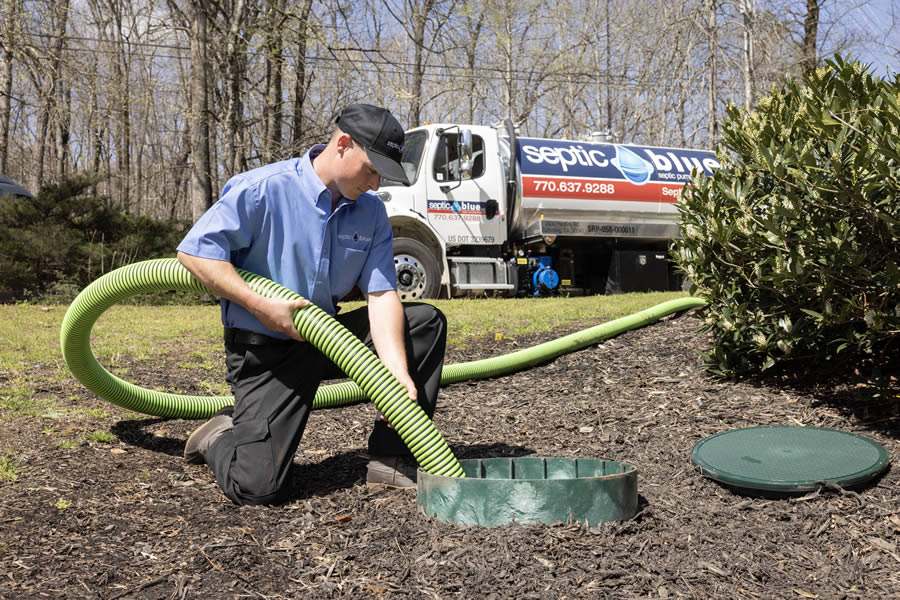
Pumping history reveals how well the system has been maintained. Ask when the tank was last pumped and how often it has been done. Regular septic pumping in Raleigh, NC every three to five years is a good sign, though the right schedule depends on tank size and household use. Request the receipts, along with the name of the septic company that did the work. Ask whether septic cleaning of the filter was done at the same visit. Paper records are far more reliable than memory.
Documents tell the story that conversation cannot. Request for permits, inspection reports, and service receipts, since these show how the system has been treated and whether it was installed under local rules. A seller who kept a folder of paperwork usually took care of the system as well. If records are missing, ask if a septic service provider has worked on the property and if that company can share its history. Missing paperwork does not always mean trouble, but it calls for a closer inspection.
Septic tank pumping in Raleigh has never been so affordable and accessible thanks to the professionals at Septic Blue. We are…
One quarter of Americans rely on septic tanks to process household waste. Most Septic Blue locations have septic tank experts who…
Call Septic Blue today for a second opinion. If you choose to go with Septic Blue, you'll receive $250 off your…
If you are a homeowner or resident in Raleigh that is among the 20 percent of households in the U.S. with…
Professional Saptic Plumbing solutions for every need. Contact Us Today!
Be direct about any trouble the system may have had. Look to see if there have been backups, slow drains, soggy spots in the yard, or sewage odors, then ask what repairs were made and who made them. Ask what kind of cleanup a past problem required and whether the filters or lines needed extra attention afterward. Sellers may not remember every issue, so request invoices when possible. Repeated problems in the same area can point to a deeper issue with the drainfield or pipes.
Capacity matters because a system is sized for a specific number of bedrooms. Ask how many bedrooms the original permit allowed. Extra bedrooms, a finished basement, or a larger household can overload a tank built for less, and an overloaded system fills faster and needs more frequent care. Heavy water users matter as well, including garden tubs, water softeners, and garbage disposals, since each one adds to the load the system carries. A system that matches the home is a much safer purchase.
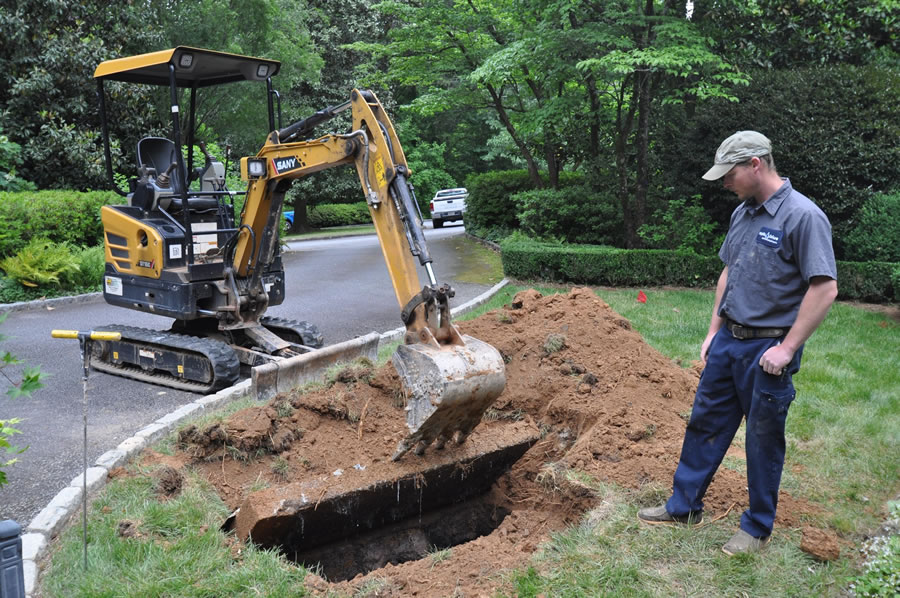
Knowing where the components sit protects both the system and your future plans. Getting the seller to point out the tank, the lids, and the drainfield helps, and a site map from the original permit is even better. If no map exists, a local septic service can locate the parts with a probe or a locator. This matters if you plan to add a patio, pool, shed, or driveway, as heavy weight can damage buried pipes.
Most reasonable sellers will agree, and this final question may be the most important of all. A full inspection by a qualified septic company includes opening the tank, checking the baffles, and testing the drainfield. Many buyers also ask the seller to schedule septic pumping before closing so the tank can be viewed while empty. Make your offer contingent on the results so you can negotiate repairs or walk away if the findings are serious. A refusal can be a warning sign.
A tank that has gone too long without service rarely gives much warning before it causes trouble. We at Septic Blue send experienced professionals who handle the cleaning and explain what they found along the way. Questions before or after the visit are always welcome, and our representatives are glad to help. If you are interested in what we have to offer, contact us today.

Buying a home with a septic system means buying a system that someone else has cared for, or ignored, for years.…
A septic system that looks fine is easy to ignore, since the drains run, the toilets flush, and the yard looks…
Falling for a house is easy, but the septic system beneath the yard deserves just as much attention. Unlike city sewer,…
A septic tank depends on a living ecosystem, since bacteria inside the tank break down waste so water can move safely…